Chittorgarh Fort
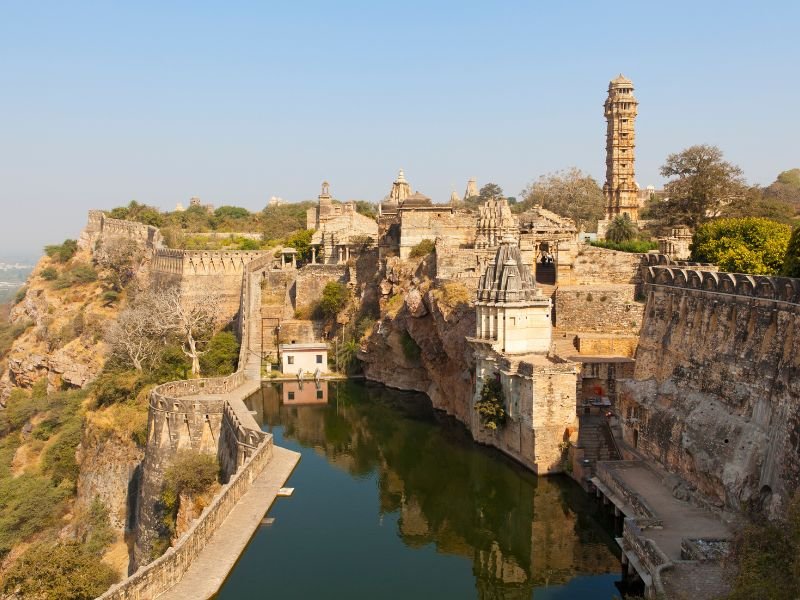
Chittorgarh Fort has received the credit of being the largest fort of India. The massive fort is located on a high hill near the Gambheri River in Chittorgarh. Chittorgarh Fort lies at a distance of 112 kms from the city of Udaipur in Rajasthan. This fort was built by various Maurya rulers in the 7th century. This huge fort covers an area of 700 acres, extending to 3 kms in length and 13 kms in peripheral length. Standing on an elevated hill of 180m, the impregnable fort has witnessed three battles. Chittaurgarh Fort is truly an embodiment of chivalry and pride of the Rajputs. The fort has a long story of romance, courage, determination and sacrifice. A glimpse of the fort still makes one to think the glory of the Rajputs who once lived here.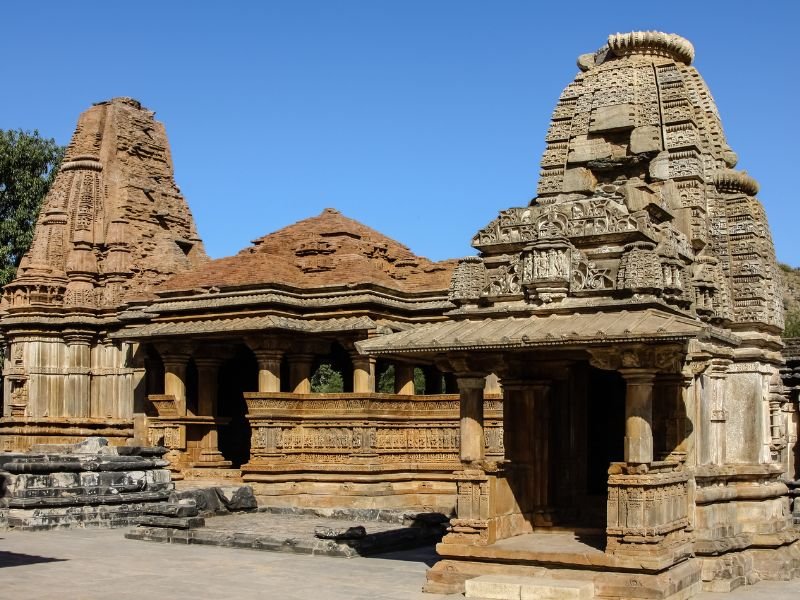
Eklingji Temple
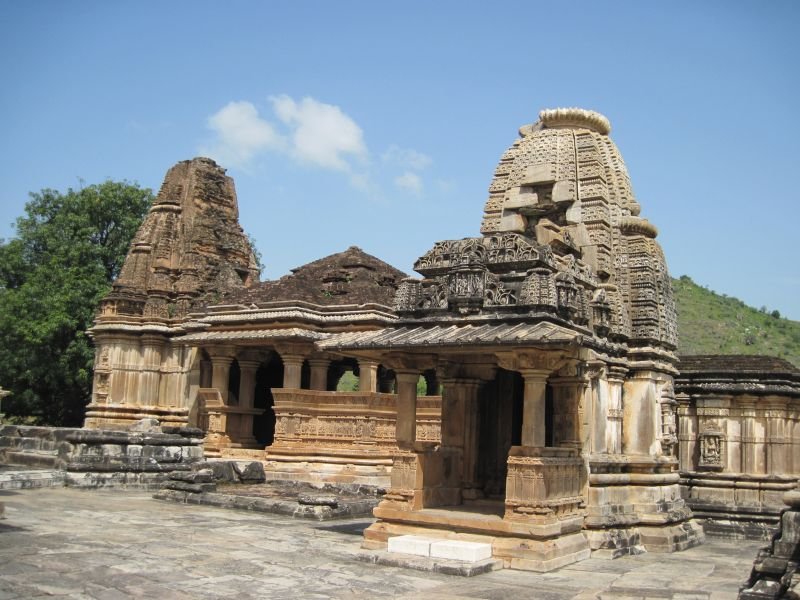
Eklingji Temple is one of the most famous temples of Rajasthan and is located at a distance of 22 km from Udaipur. The temple is dedicated to Lord Shiva and was built in 734 A.D. by Bappa Rawal. The architecture of the temple is worth praising; it is a double-storied temple that looks magnificent with its pyramidal style of roof and distinctly carved tower. Inside the main temple is a huge pillared hall or ‘mandap’ and on entering the hall one can see a silver image of Nandi. The temple also boasts of a four-faced idol of Eklingji (Lord Shiva) which is made out of black marble and is of the height of around 50 feet. The Shivlinga (The phallic form of Lord Shiva) is garlanded by a silver snake and is also the major attraction for devotees.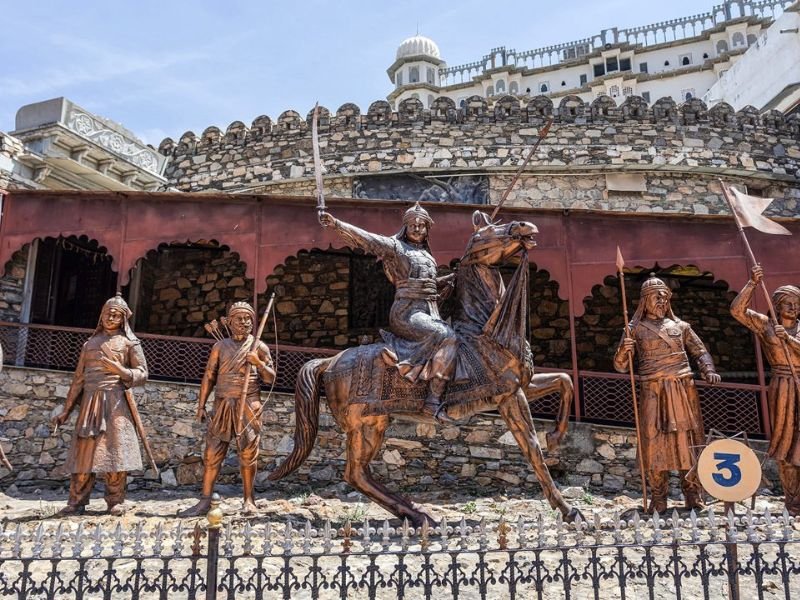
Haldighati
Haldighati is an important historical site in the context of Rajasthan, India. Actually, Haldighati is a mountain pass in the Aravalli range connecting districts of Rajsamand and Pali in Rajasthan. The place is at a comfortable distance of 40 kms from the city of Udaipur. The term Haldighati has been derived from the yellow colored soil of the place that gives a sense of turmeric (in Hindi, turmeric is called as ‘Haldi’ and valley is known as’ Ghati’). If you are interested in historic battles and heroic deeds of the courageous soldiers, then Haldighati is the perfect place to visit. Haldighati is a significant historical site that has observed the battle of 1576. The battle of Haldighati was a huge combat between Rana Pratap Singh of Mewar and Raja Man Singh of Amber.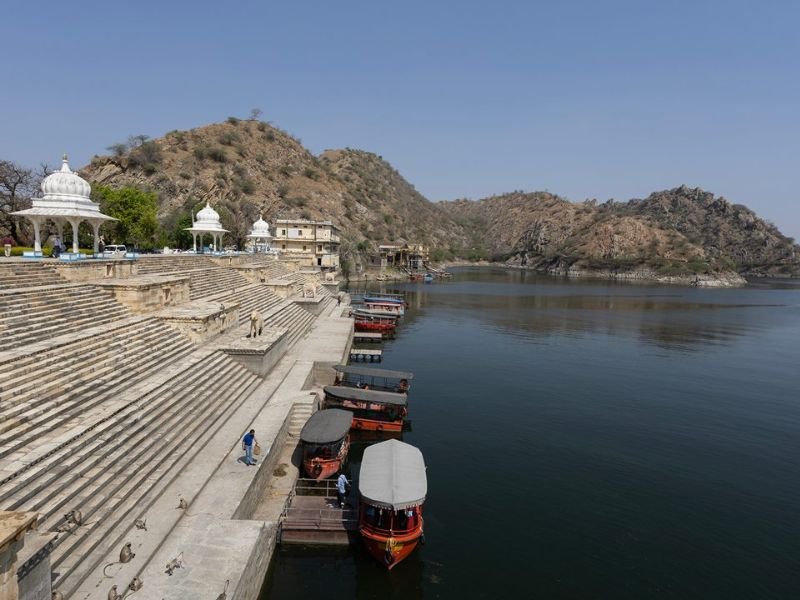
Jaisamand Lake
It is renowned as one of the largest artificial lakes in India and located at a distance of about 48 kms from Udaipur. Jaisamand Lake, which is also known as Dhebar Lake, was built in 1685 by Maharana Jai Singh. It sprawls across an area of 36sq km, which makes it quite massive. The dam on this lake is the major attraction as it is about 1202 feet in length, 116 feet in height and 70 feet in width at the bottom. Another attraction here is the Shiva Temple. The lake is a great place to sit by or to be with a loved one; it is also an ideal place to contemplate nature.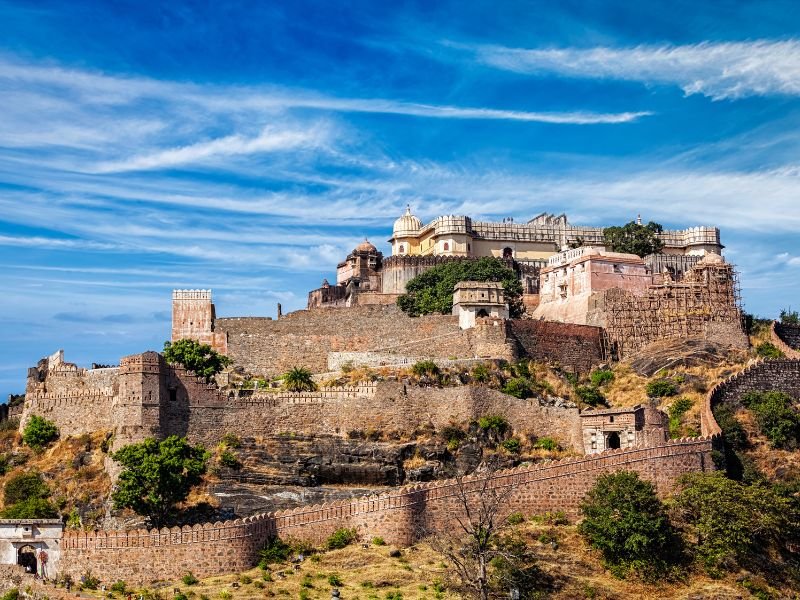
Kumbhalgarh Fort
This 15th century fort was built by Maharaja Khumbha, and comes second only to the fort of Chittorgarh with regard to the significance and grandeur. The walls of the fort are about 36 Kms in distance, making it the second longest wall in the world, after the Great Wall of China. The fort is made on the top most hills of Aagantu and is around 1914 meters above the sea level. As per the historical records, this fort has never been conquered, and hence is known as unconquerable. The fort contains a great number of palaces, gardens, and temples.It is believed that the legendary Mewar warrior Maharana Pratap was born here in the fort. Kumbhalgarh Fort is yet another tourist attraction in Udaipur that one must not miss out on. Along with the fort, one can also visit the famous Haldi Ghati where the great battle involving Maharana Pratap took place.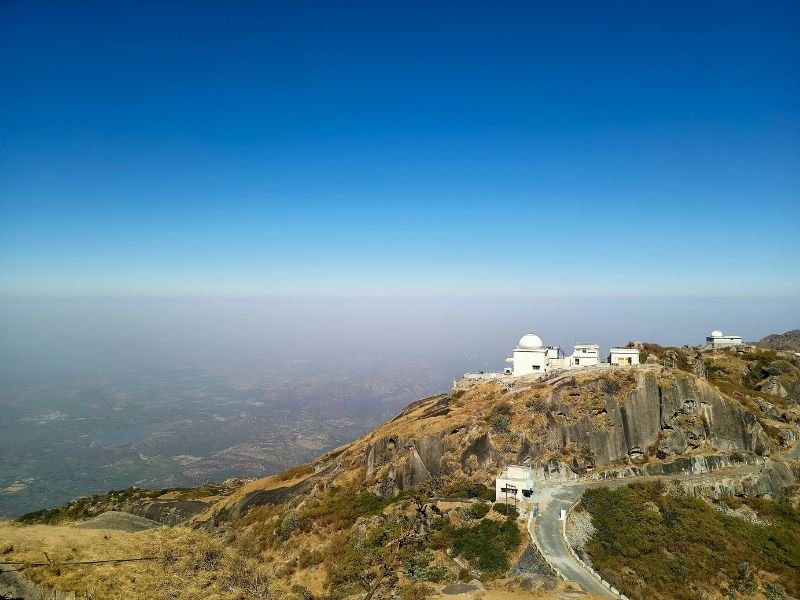
Mount Abu
Mount Abu is home to a number of tourist attractions from natural beauty to historical and architectural places, The Dilwara Jain temples are a complex of temples, carved of white marble, that were built between the 11th and 13th centuries AD.Heart of the city Nakki Lake, is another popular visitor attraction of Mount Abu. There is the Toad Rock on a hill near the lake. Raghunath Temple and Maharaja Jaipur Palace are also on hills near Nakki Lake.Mount Abu is also a perfect place to enjoy adventure and eco-tourism, to know more about possible activities visit our Adventure & eco-tourism page.The world headquarters of the Brahma Kumari order of lady renunciates is also located here, as is the World Spiritual University of the same denomination.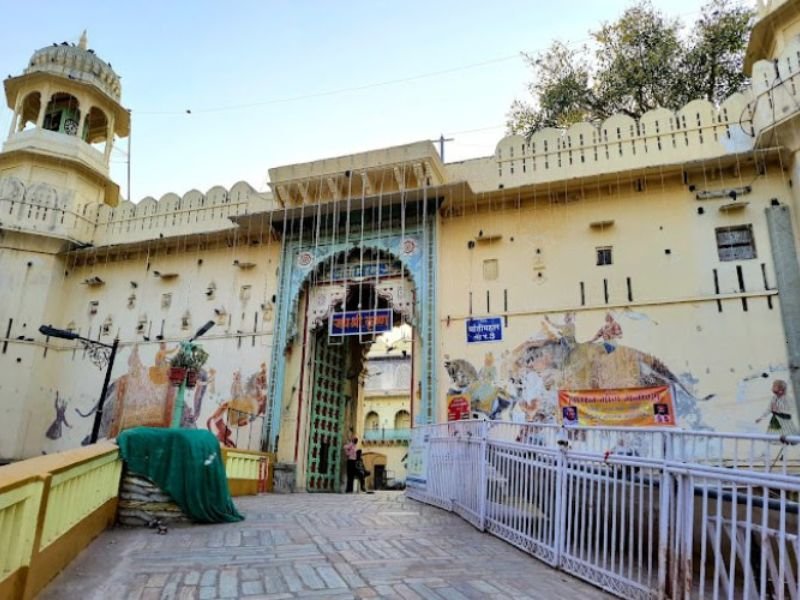
Nathdwara Temple
Nathdwara is a small town in the Indian state of Rajasthan. Situated at a distance of 48kms in the north-east of Udaipur, Nathdwara is sited on the right bank of Banas River. Nathdwara is famous for its 17th century temple that is dedicated to Lord Shrinathji (Lord Krishna). The term ‘Nathdwara’ suggests the ‘gate of the lord’. Shrinathji Temple is also known as ‘Haveli of Shrinathji’ and makes a prominent pilgrimage of the Hindus / Vaishnavas.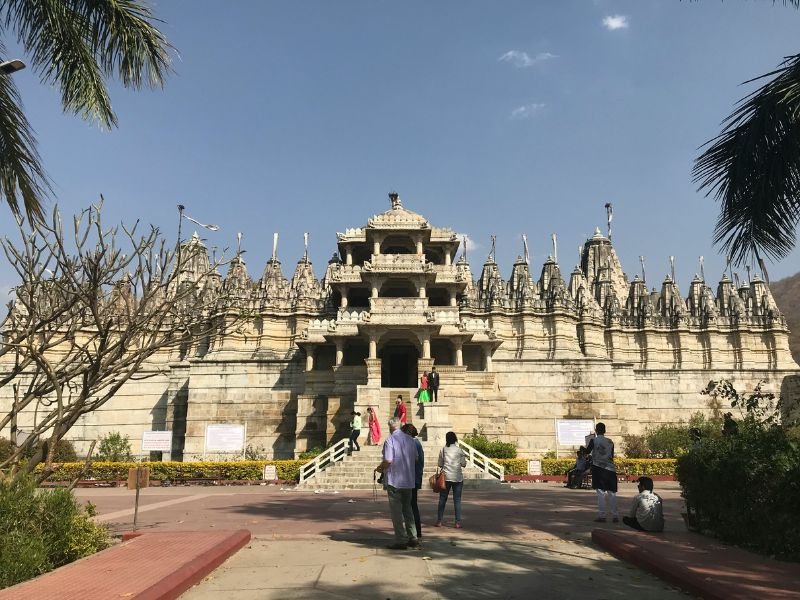
Ranakpur Temple
Ranakpur Temple are acclaimed world-wide for their intricate and superb architectural style. These temples form one of the five major pilgrimages of the Jains. Located in village of Ranakpur near Sadri town in the Pali district of Rajasthan, Ranakpur temple lies at a distance of 95 kms in the north of Udaipur city. The temple is easily accessible from the city of Udaipur as regular buses are easily available. Built in the 15th century, Ranakpur temples are known for being the largest and most important temples of the Jain cult.